
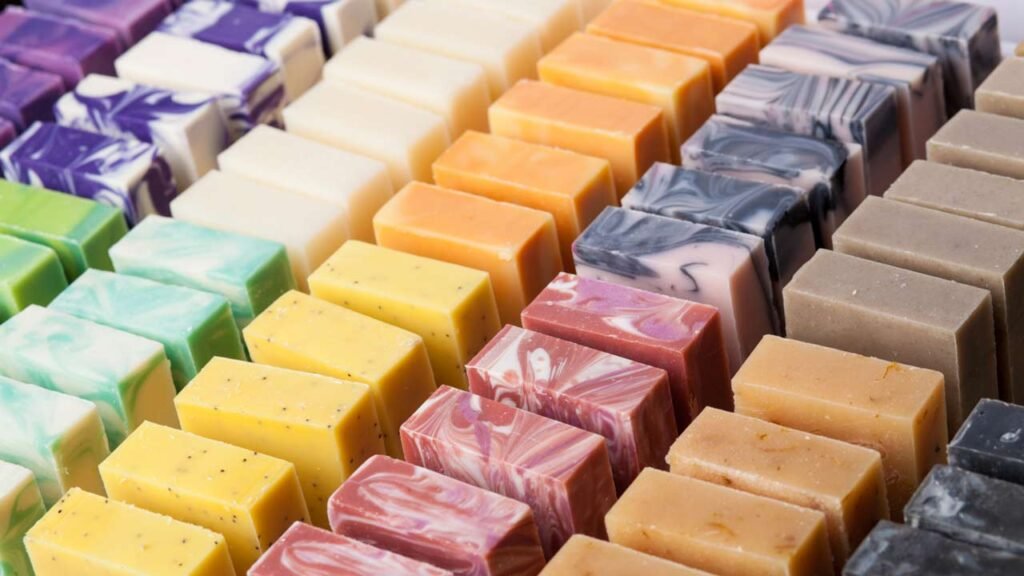
Soap manufacturing and trade is a fast growing sector in Ghana and is becoming an important indicator of broader economic progress in the region. Intra African trade, especially in manufactured goods, has long been recognized as a powerful driver of industrial growth and development. However, the potential of this trade has often been hindered by colonial legacies, fragmented markets, and a longstanding dependency on trade with the West and, more recently, Asia.
This externally focused trade pattern has limited regional integration and left many African economies vulnerable to global shocks. Encouragingly, that trend is beginning to shift, especially in West Africa. For countries like Burkina Faso and Togo, trade within the ECOWAS region now accounts for as much as 60 to 70 percent of their total trade. Among the most promising sectors contributing to this shift is the trade of manufactured soap.
A Regional Rise in Soap Trade
The soap trade provides a compelling example of how regional trade in manufactured goods is gaining momentum. Ghana, for instance, now imports more than half of its manufactured soap from neighboring countries such as Cote d’Ivoire and Nigeria. At the same time, over 90 percent of Ghana’s soap exports go to fellow West African countries including Burkina Faso, Senegal, Togo, and back to Cote d’Ivoire. In 2022 alone, Ghana exported more than 66 thousand tonnes of manufactured soap, making it a net exporter.
Ghana’s Transition from Importer to Exporter
Ghana’s journey from being a net importer to a net exporter of soap highlights a broader shift in the manufacturing sector, particularly in fast moving consumer goods. From 2012 to 2015, Ghana imported an average of 76 thousand tonnes of soap each year. Since 2016, this number has fallen to around 50 to 55 thousand tonnes annually, while domestic production continues to scale.
Imported brands still hold a strong position in specific segments of the market, especially in the liquid bath soap category. Well known international brands like Nivea, Dove, Dettol, Olay, Irish Spring, and Palmolive are popular among middle and upper income consumers due to their perceived high quality and advanced formulations. However, domestic brands are gaining ground in terms of both quality and acceptance.
Interestingly, some local entrepreneurs travel to China to contract the manufacturing of their own soap brands, which are then sold locally under Ghanaian labels. This trend reflects both the ambition of local traders and the increasing sophistication of the domestic market.
The Growth of Local Production
Today, Ghana is home to more than ten major soap producers, with new entrants joining the industry regularly. In addition, there is a vibrant network of small scale and home based producers who cater to niche markets. The expansion of domestic production is driven by several factors including rising incomes, population growth, and increasing consumer demand for organic and natural skincare products.
Local brands like Alata Samina, known as African Black Soap, and Pure Honey Soap are gaining popularity. These products appeal to health conscious consumers and are often handmade using traditional methods and locally sourced ingredients. They are marketed through a mix of local shops, pop up events, and online platforms.
Positive Effects Across the Value Chain
The expansion of the soap industry is creating ripple effects across the value chain. One notable development is the reduction in imports of soap noodles, the main raw material used in soap production. Local companies such as Avnash Industries and Delta Agro have begun producing soap noodles domestically, supplying both their own production lines and other manufacturers in the market.
Exports have also seen strong growth. Between 2018 and 2022, soap exports from Ghana tripled. Interestingly, Ghana imported around 23 thousand tonnes of soap from Cote d’Ivoire in 2022 but exported approximately 25 thousand tonnes to the same country. This mutual exchange highlights the growing integration of regional trade networks within West Africa.
The potential for further growth is supported by regional agreements such as the ECOWAS Trade Liberalisation Scheme and the African Continental Free Trade Agreement. These frameworks encourage cross border trade and reduce barriers, making the West African soap market even more attractive for manufacturers based in Ghana.
Final Thoughts
Soap trade in West Africa is more than a niche success story. It reflects a broader shift toward self reliance, regional integration, and industrial growth across the continent. Ghana’s rise as a net exporter of soap signals new opportunities for economic development, not only through increased production but through deeper regional collaboration. With the right support and continued investment, the soap industry could serve as a model for how African countries can trade more effectively among themselves and build stronger, more resilient economies.