
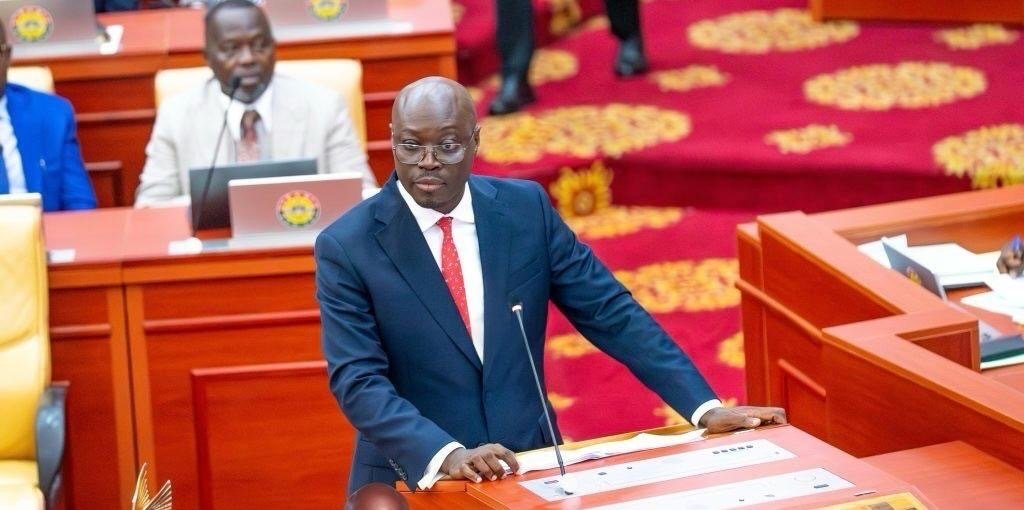
The 2025 Budget, presented by Ghana’s Minister for Finance, Dr. Cassiel Ato Forson, represents a pivotal moment in the country’s economic recovery. Under the theme “Resetting the Economy for the Ghana We Want,” the budget seeks to stabilize the nation’s finances, address long-standing inefficiencies, and lay the foundation for inclusive and sustainable growth.
A Nation at a Crossroads
In 2024, Ghana faced significant economic headwinds—rising public debt, persistent inflation, fiscal slippages, and declining production across key sectors. The government inherited GH¢67.5 billion in central government arrears, a mounting energy sector debt, and weakened cocoa yields.
Despite backing from an IMF-supported program, inflation reached 23.8 percent, surpassing both government and IMF targets. The primary balance deteriorated, and the exchange rate remained volatile, further eroding business confidence and investor sentiment.
Key Fiscal Policy Objectives
The 2025 Budget introduces a strategic framework built around four core priorities:
- Rationalizing Expenditure: Eliminating inefficiencies and cutting non-essential spending
- Boosting Revenue Mobilization: Broadening the tax base and improving compliance
- Reducing Public Debt: Strengthening debt management to ensure long-term sustainability
- Enhancing Social Protection: Increasing investment in social safety nets and human capital
Expenditure and Revenue Measures
Expenditure Cuts and Efficiency
- Reduction in the number of ministries from 30 to 23 to streamline governance
- Stricter procurement processes tied to approved budgets
- Reinforced enforcement of the Public Financial Management Act to prevent mismanagement
Revenue Mobilization and Tax Reforms
Elimination of ‘Nuisance Taxes’ to ease the burden on citizens and businesses:
- 10% withholding tax on lottery winnings
- 1% Electronic Transfer Levy (E-Levy)
- Emission Levy on vehicles and industry
- VAT on motor vehicle insurance policies
Mining Sector Adjustments:
- Growth and Sustainability Levy for mining companies increased from 1% to 3% to capture more rent from elevated gold prices
- Sunset clause for the Special Import Levy extended to 2028
Reintroduction of Road Tolls:
- Toll collection will be digitized to improve efficiency and fund infrastructure development
Economic Transformation and Sectoral Initiatives
Job Creation and Growth
- 24-Hour Economy Policy: Incentivizing around-the-clock business operations to drive productivity and employment
- $10 Billion ‘Big Push’ Infrastructure Plan: Focused investments in roads, schools, and hospitals
- Ghana Gold Board (GoldBod): Positioned to boost gold exports and strengthen foreign exchange reserves
Social Protection and Human Capital
- Free tertiary education for persons with disabilities
- No-academic-fee policy for first-year public tertiary students
- Provision of free sanitary pads for female students
Expanded Social Spending:
- LEAP benefits increased by 30.8 percent
- School Feeding Program allocation raised by 33 percent
- NHIS funding expanded to GH¢9.93 billion
Macroeconomic Stability and Debt Management
The government is adopting a three-pronged fiscal strategy:
- Spending-Led Adjustment: Curbing inflation and currency depreciation by controlling government expenditure
- Shock Therapy: Rapid implementation of fiscal reforms to restore investor confidence
- Fiscal Responsibility Enforcement: Strengthening oversight and compliance mechanisms
Debt Management Initiatives:
- Reopening of the domestic bond market in phases
- Activation of a Sinking Fund to manage debt servicing
- Engagement with creditors to restructure Eurobond liabilities
Energy and Cocoa Sector Reforms
Tackling Energy Sector Risks
- Implementation of Private Sector Participation (PSP) models to improve revenue collection by ECG and NEDCo
- Renegotiation of Independent Power Producer (IPP) contracts to reduce capacity charges
- Adjustment of the Weighted Average Cost of Gas to reflect market dynamics
Revitalizing the Cocoa Sector
- Debt Restructuring for COCOBOD: Out of GH¢32 billion owed, GH¢11.92 billion is targeted for repayment in 2025
- Boosting Cocoa Production: Tackling inefficiencies and curbing cross-border smuggling
- Improving Export Revenue: Reducing losses from forward contract pricing
A Call for National Collaboration
The 2025 Budget is more than a financial statement—it is a national reset. It calls for shared sacrifice and collective responsibility among government institutions, businesses, and citizens. The vision is clear: restore macroeconomic stability, drive economic transformation, and protect the vulnerable.
With disciplined execution and broad stakeholder support, Ghana stands poised to transition from crisis to recovery, and toward long-term prosperity.